Thread Forming Screws: Benefits and Applications | IIIBEAR
Thread Forming Screws: Benefits, Applications, and Why They Are the Ideal Choice for Your Project
Thread forming screws are essential fasteners in the world of mechanical and industrial engineering. Unlike traditional screws that require pre-tapped holes, thread forming screws create their own threads when driven into a material. This unique feature provides a more secure and reliable fastening solution, reducing the need for additional parts such as nuts and bolts. Thread forming screws are widely used across industries such as automotive, electronics, construction, and manufacturing.
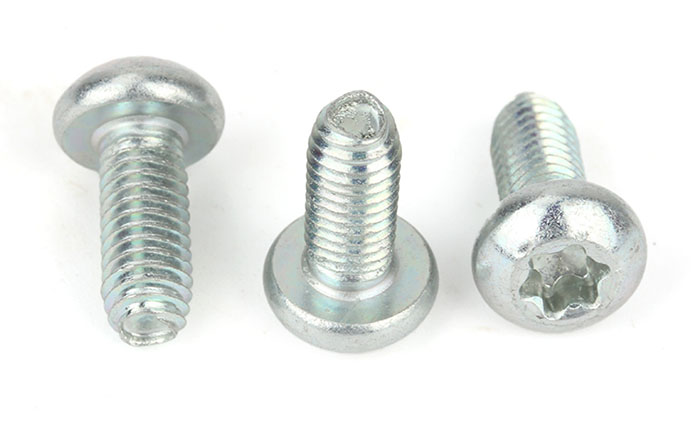
In this article, we will explore the applications of thread forming screws, their benefits, types, and how to choose the right one for your specific project. Common Google searches related to this topic include “what are thread forming screws,” “thread forming screws vs thread cutting screws,” “applications of thread forming screws,” and “benefits of thread forming screws.”
What Are Thread Forming Screws?
Thread forming screws are self-tapping screws that create their own threads in the material they are driven into. Unlike thread cutting screws, which remove material to form threads, thread forming screws use pressure and material displacement to create a stronger, more durable thread. These screws are designed for use in materials such as plastics, soft metals, and wood, where traditional threading methods may not be feasible.
Thread forming screws are available in various sizes, materials, and coatings to suit different applications. These screws are particularly beneficial in situations where you need to create a strong, tight bond without compromising the integrity of the surrounding material. By forming the threads as the screw is driven in, thread forming screws also reduce the risk of stripping or damaging the threads, leading to a more reliable and secure connection.
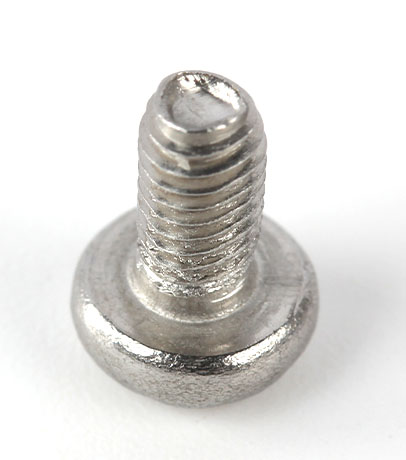
Benefits of Thread Forming Screws
There are several advantages to using thread forming screws over other types of fasteners:
- Strong and Secure Threads: Thread forming screws create internal threads that are often stronger than those made with traditional tapping methods. The material is displaced rather than cut, resulting in a tighter and more durable connection.
- Cost-effective: Since thread forming screws do not require pre-tapping or additional components like nuts, they can reduce overall costs in manufacturing or assembly processes.
- Reduced Risk of Material Damage: The thread forming process is less aggressive on the surrounding material, minimizing the risk of cracking or material failure, especially in delicate materials like plastic or soft metals.
- Improved Performance: The self-threading design allows thread forming screws to perform well even in materials with lower tensile strength, improving overall reliability and performance.
- Versatility: These screws can be used in a wide range of materials, including wood, plastic, aluminum, and thin sheet metals, making them suitable for a variety of applications.
Types of Thread Forming Screws
There are different types of thread forming screws, each designed for specific applications. Some of the most common types include:
- Type 1 Thread Forming Screws: These screws are ideal for use in soft metals and plastics. They are designed to create internal threads in these materials without causing cracking or damage.
- Type 2 Thread Forming Screws: Type 2 screws are used for applications where the material is slightly harder, such as aluminum and some light metals. They create deeper threads and offer stronger holding power.
- Type 3 Thread Forming Screws: These are used for heavy-duty applications, typically in metals or other hard materials. They are designed to handle high torque and provide a secure connection under stress.
- Thread Rolling Screws: These screws use a rolling method to form threads rather than displacing material. They are typically used in high-volume, precision applications where the screw needs to perform under tight tolerances.
Applications of Thread Forming Screws
Thread forming screws are used in various industries and applications due to their ability to securely attach components without requiring additional hardware. Here are some common applications:
- Automotive: In automotive manufacturing, thread forming screws are used to secure components such as panels, brackets, and electrical components to metal parts. Their strong grip is essential for ensuring long-term durability in vehicles.
- Electronics: Thread forming screws are often used in electronic devices to fasten components to metal or plastic housings. The ability to create strong threads in lightweight materials is crucial in the electronics industry.
- Construction: In construction, thread forming screws are used to attach wood or plastic components to metal frameworks. They are ideal for securing parts like brackets, fasteners, and fixtures in buildings.
- Manufacturing: Thread forming screws are widely used in the manufacturing of machines and equipment. They are perfect for assembling parts that need to be securely fastened but still allow for disassembly if necessary.
- Furniture: Thread forming screws are also used in the furniture industry, where they help to secure parts of furniture like chairs, tables, and cabinets together. Their ability to create strong threads in wood and plastic makes them ideal for this use case.
How to Choose the Right Thread Forming Screw
When selecting thread forming screws for your project, there are a few important factors to consider:
- Material: Choose the right screw material for the material you’re working with. For example, for plastic applications, select screws made from materials that won’t cause cracking. For metal, consider the hardness and strength of the screw.
- Thread Type: Different thread types are designed for different materials. Be sure to choose a screw that is compatible with the material you’re fastening.
- Size: Ensure the screw size matches the requirements of your project. This includes the length, diameter, and thread pitch.
- Coating: Depending on the environment, a coating might be necessary to prevent corrosion or wear. Coated screws are ideal for outdoor or industrial environments where exposure to moisture or chemicals is common.
Thread Forming Screws from IIIBEAR
If you're looking for high-quality thread forming screws for your project, IIIBEAR offers a wide range of options. Our screws are designed for a variety of applications, providing the strength, durability, and reliability required for your most demanding projects. Contact us today to learn more about our thread forming screws and how we can assist with your next project.
Conclusion
Thread forming screws are an excellent solution for many industrial and DIY applications due to their ability to create strong, durable threads in various materials. They offer significant advantages over traditional screws, such as reduced cost, improved performance, and better resistance to material damage. Whether you're working with plastic, metal, or wood, thread forming screws are a reliable choice for securing components with precision. At IIIBEAR, we offer high-quality thread forming screws that meet the specific needs of your application. Get in touch with us today to find the perfect screws for your project.

Related products: Screws

